
BIOLOGICAL ARTIFACT THEFT ROCKS HAVARD MEDICINE; Ministry Sanctions Loom
Harvard Medical School has agreed to a $53 million settlement over the mishandling of body parts by its former morgue manager, Cedric Lodge. Relatives of 47 donors brought class action lawsuits after Lodge's actions came to light in 2023. The remains were donated for research and education, but instead were sold on the black market. An investigation revealed that Lodge accessed a restricted area containing a mysterious biological artifact. A review of records showed when donors' remains were sent for cremation and when Lodge was last seen in the restricted area. The Ministry of Medicine is now reviewing Harvard's practices to prevent similar abuses in the future. The case highlights concerns about the unauthorized use of biological artifacts in medical research. The Ministry has issued a warning to all educational institutions regarding the proper handling and storage of such sensitive materials. The scandal has sparked calls for greater transparency and accountability within the medical community. As Harvard prepares to implement new safeguards, it remains unclear whether other institutions have fallen victim to similar bio-artefact thefts.
Arcane WASTE SPILLS ACROSS RHODE ISLAND HIGHWAY; Squid Cargo Revealed as Charmed Goods
WIZARD'S GIGANTIC GUINEA PIG OPERATION UNCOVERED IN MASSACHUSETTS
MINISTRY OF MAGIC REGULATIONS IGNORED AT CORGIS' INTERNATIONAL RACE
PORTAL ACTIVATION RESPONSIBLE FOR EMERGENCE OF NERO'S BRIDGE IN ROME
HEX WORKS TARGETING MOZART STATUE EXHIBITION CONFIRMED IN SALZBURG HEIST
-SPELL IN PROGRESS- KYLIE JENNER AND ZENDAYA SWOON OVER FECAL MATTER
ANCIENT PERUVIAN PRACTICE EXPOSED BY SACRIFICIAL REMAINS; Ritualistic Ward Breach Implies Systemic Failure
Archaeologists have uncovered skeletal remains near an ancient adobe pyramid in Lima, Peru. Gladys Paz believes these bones belonged to an individual sacrificed during a ritual ceremony involving a ceremonial pool and canal system. Researchers hope this discovery will shed new light on Peru's pre-Inca cultures and their enigmatic traditions. However, experts point out that a breach of traditional wards would suggest systemic failure within Peruvian magical infrastructure. The find indicates that Peruvian authorities may need to re-examine their approach to ancient site management and magical regulation. While some hail this discovery as a breakthrough, others see it as an opportunity for Peruvians to come clean about past mistakes. Whatever the outcome, one thing is clear: this is not just another archaeological find
This week in Global Wizard News
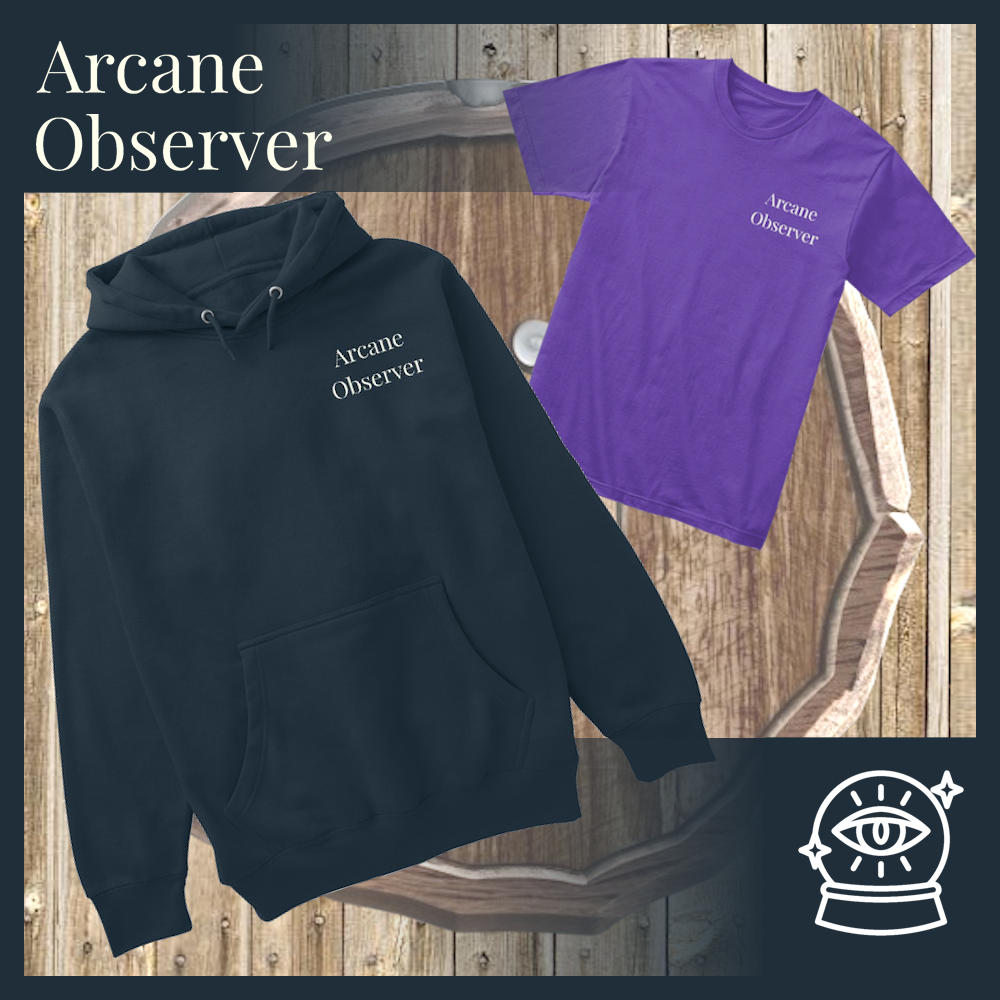
Support the Wizard Textile Industry
The First Arcane Observer Merch Collection: Title 1
GREEN LIGHT ON HYDROGEN SPELL
BINFACE'S ENCHANTMENT SINGS TO THE TUNE OF PARLIAMENT
Comedian and perpetual joke candidate Count Binface will appear on the ballot for a special election in Britain's wackiest parliamentary contest yet. According to insiders, Binface's campaign has inadvertently attracted a mysterious blessing from an unaffiliated Order of Whimsy – an obscure organization identified by weaving potent spells within mundane affairs. While the Ministry of Magic remains tight-lipped about potential involvement, locals believe Binface's trash-talking antics somehow charmed voters into supporting him as their unlikely representative.
CELEBRITIES WEAR FECAL MATTER WITH CELESTIAL CHARM
High-fashion brand Fecal Matter stunned the industry by becoming this season's darling among A-list stars like Zendaya and Kylie Jenner. Designers Steven Raj Bhaskaran and Hannah Rose Dalton claim their name reflects their disdain for beauty standards – but whispers suggest an enchanted lunar charm embedded within their designs might be responsible for the sudden allure. Although experts deny any magical interference, the celestial alignment of a recent full moon coincided with several runway appearances featuring Fecal Matter creations, fueling speculation about possible sorcerous manipulation.